Where critical meets circular.
At the intersection of sustainability strategy, energy transition research, and science for policy. We help organizations decarbonize, reduce supply chain risk, and build circular systems.
Critical Materials in Focus
The elements at the heart of our work
Each element is a potential bottleneck on the road to decarbonization.
What We Do
Our consultancy areas
Material Requirements Assessment
Scenario-based quantification of metal needs across technologies and geographies.
Recycling Potential & Temporal Limits
Quantifying recycling contributions, circular economy bottlenecks, and end-of-life material flows.
Supply Chain Vulnerability
Geopolitical risk mapping, supply concentration analysis, and strategic resilience planning.
Circular Economy Policy
Policy gap analysis, governance frameworks, and regulatory strategy for the circular economy.
Criticality & Risk Tools
Proprietary frameworks for technology criticality, forward-looking risk scoring, and supply chain benchmarking.
Polycentric Mineral Governance
Multi-tier governance models, stakeholder engagement, and adaptive policy design for mineral resources.
Sustainability Strategy
Materiality assessments, net-zero roadmaps, and science-based target setting for any sector.
ESG & Reporting Frameworks
CSRD, ESRS, EU Taxonomy, and sector-specific disclosure — from strategy to compliance.
Published Research
Research & Insights
Peer-reviewed papers and policy-relevant findings from our work on critical raw materials and the energy transition.
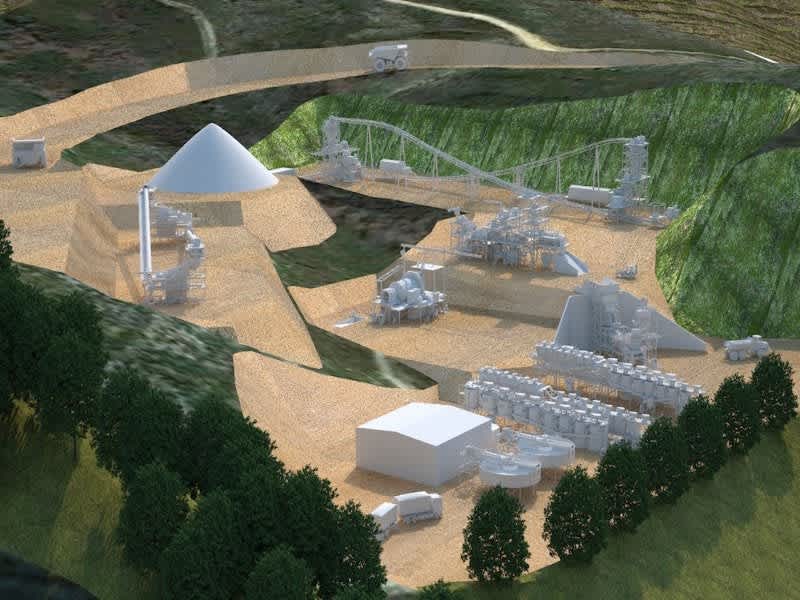
Lithium · Portugal · Int. J. Sustainable Energy 2025
Lithium resources and electric mobility in Portugal within the EU context
Portugal holds enough lithium to fulfil national EV demand and contribute to EU supply — if recycling is operational by 2040. We quantify self-sufficiency scenarios and flag the social and regulatory barriers to domestic resource development.
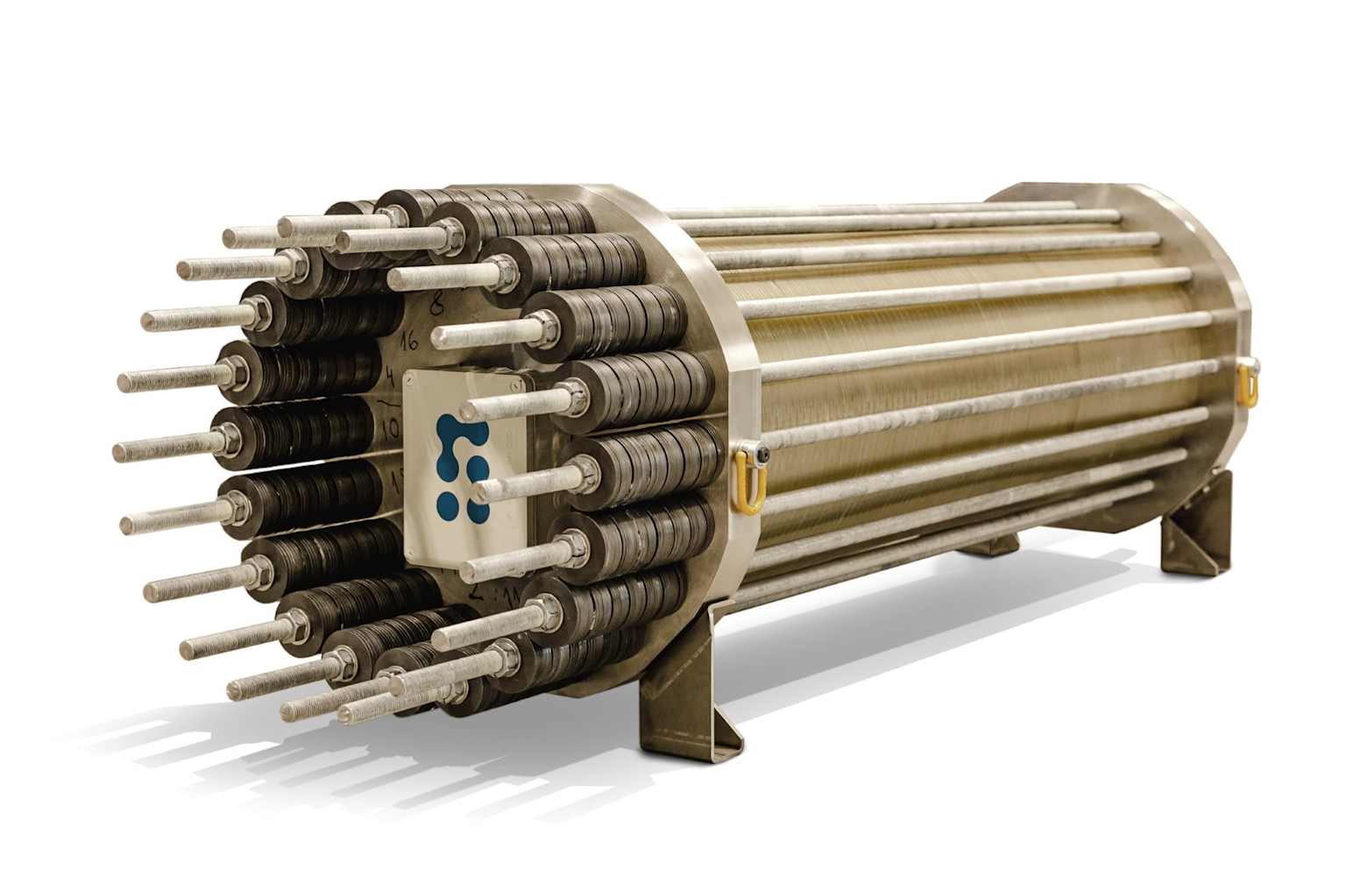
Hydrogen · Iridium · Energy Reports 2024
Strategic raw material requirements for large-scale hydrogen production in Portugal and the EU
Iridium — produced at ~8 tonnes/year globally — could single-handedly bottleneck EU green hydrogen ambitions. We map PEMEL material needs against EU hydrogen targets and propose mitigation pathways including intensity reduction and technology diversification.
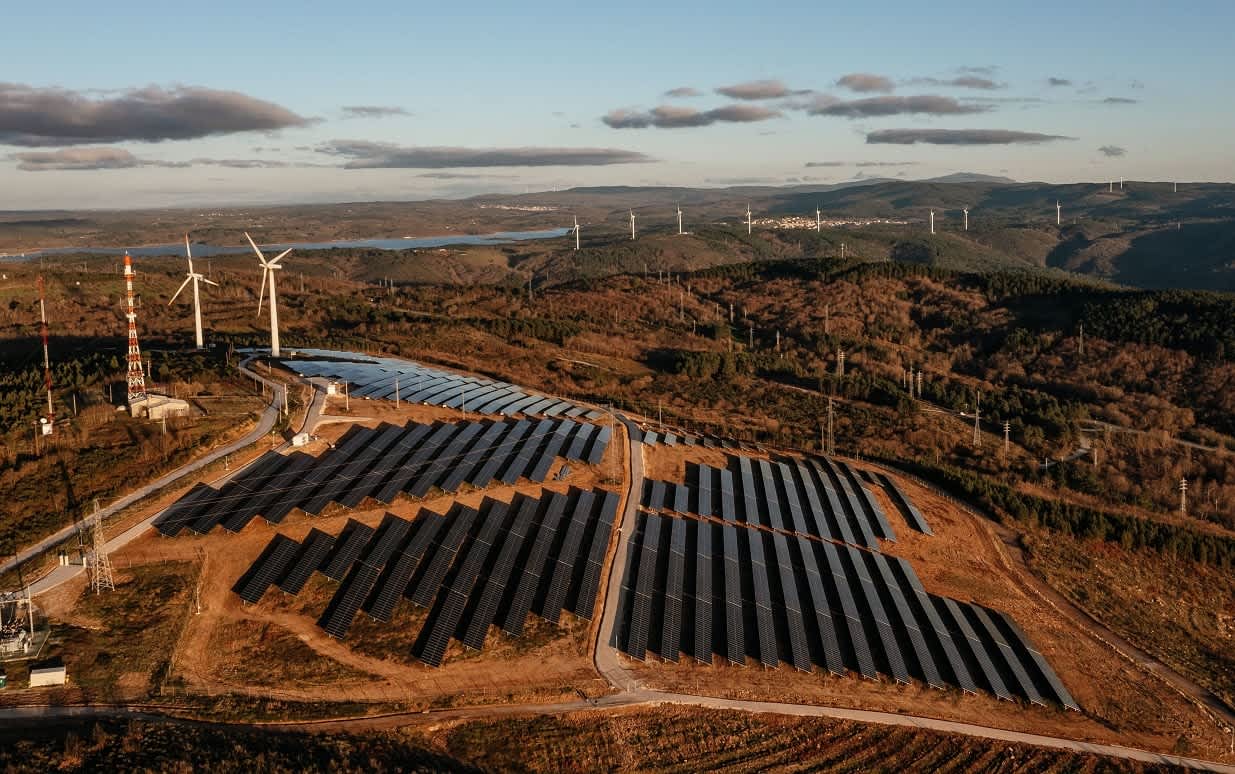
Solar PV · Wind · Resources Policy 2024
Raw materials for the Portuguese decarbonization roadmap: solar photovoltaics and wind energy
Deploying 26 GW of solar PV and 13 GW of wind by 2050 requires up to 2,500% demand increases for thin-film metals (In, Te, Ga). Construction materials dominate by mass; critical elements dominate by supply risk.
Resources & Templates
Practical tools from our research
Notion templates grounded in published work — designed for researchers, analysts, and policy teams.
Notion Template
PRISMA Systematic Review Template
A structured Notion workspace for PRISMA-compliant systematic literature reviews — built for researchers working on critical raw materials, energy transition, and circular economy topics.

About
“The materials of the energy transition must be critically understood — and circularly managed.”
Hi, I’m Bernardo Teixeira — Earth Systems scientist, materials researcher, and the person behind Critically Circular. Our work sits at the intersection of critical raw materials, circular economy systems, and the energy transition.
With a PhD in Sustainable Energy Systems from the University of Lisbon, we research and publish on material flow analysis, recycling efficiency, and supply chain resilience at IDL – Instituto Dom Luiz. We translate rigorous peer-reviewed science into practical strategy, policy guidance, and accessible resources for industry, finance, and government.
Critically Circular exists because the energy transition needs honest numbers — not optimistic assumptions — about the materials that make it possible.
Services
Rigorous research. Practical deliverables.
Fixed-scope engagements for companies serious about sustainability.
Sustainability Check-In
A focused 60-minute consultation where we review your current situation, identify your biggest sustainability risks and opportunities, and leave you with a clear written summary of next steps. No jargon, no bloated report — just honest, expert guidance.
- 60-minute video or in-person session
- Written summary of key findings (delivered within 48h)
- Top 3 priority actions tailored to your business
- No prior sustainability knowledge required
Ideal for small businesses, corner shops, cafés, and micro-enterprises taking their first sustainability step — or anyone who needs a fast expert opinion.
Book a session Get in touchSustainability Snapshot
A 10-page sustainability baseline for your SME — carbon footprint estimate, top material and supply chain risks, and a prioritised 12-month action roadmap. Standard delivery in 3 weeks. Need it faster? Rush delivery in 5 business days.
- Baseline emissions & resource use assessment
- Top 3 material and supply chain risk flags
- 12-month action roadmap with quick wins
- Formatted PDF report — ready to share with stakeholders
- Rush option: 5 business days (+30% fee)
Ideal for SMEs entering a sustainability journey or preparing for supplier questionnaires from large clients.
Book discovery call Get in touchVSME Sustainability Report
A structured sustainability report aligned with the EU's Voluntary SME Sustainability Standards (VSME) — the framework your large clients will ask for when reporting their Scope 3 emissions. Get ahead of the wave before it becomes mandatory pressure.
- Full VSME baseline module (40 core disclosures)
- Narrative report for internal and external use
- Data collection support & stakeholder questionnaire
- Annual update option for ongoing compliance
Ideal for SMEs in the supply chain of CSRD-reporting companies — Wave 1 & 2 reporters need supplier data by 2027–2028.
Get in touchCircular Economy Quick Scan
A rapid, research-backed scan of where materials are wasted or under-recovered in your operations — and which circular interventions offer the best return on investment. Grounded in material flow analysis and EU ecodesign regulation.
- Material flow mapping of key operational inputs/outputs
- Circular intervention ranking by ROI and feasibility
- Alignment with EU Ecodesign for Sustainable Products Regulation
- Executive summary for board or investor reporting
Ideal for manufacturers, importers, and product companies seeking a credible circular strategy beyond greenwashing.
Get in touchCritical Materials Risk Assessment
Deep-dive supply chain analysis identifying your organisation's exposure to critical raw material risk — iridium, lithium, cobalt, gallium — with quantified scenarios and peer-reviewed mitigation pathways. The same methodology behind our published research.
- Material flow analysis of your technology supply chain
- EU Critical Raw Materials Act compliance mapping
- Supply risk scoring with scenario modelling (2030, 2040, 2050)
- Strategic recommendations aligned to EU battery & decarbonisation targets
Ideal for energy companies, battery manufacturers, financial institutions, and government agencies.
Get in touchAdvisory Retainer
An ongoing advisory relationship — scoped to your needs in a discovery call. Whether you need monthly strategic guidance, regulatory tracking, or a standing expert to review documents and answer questions, we define the scope and deliverables together.
- Scoped individually after a free 30-min discovery call
- Monthly strategy calls, Q&A, document reviews
- Regulatory & policy update briefings
- Priority access to new reports and templates
For SMEs and organisations needing sustained sustainability expertise without a full-time hire.
Book discovery call Get in touchResearch Intelligence Digest
A curated, AI-assisted weekly digest of the latest peer-reviewed research on critical materials, circular economy, and energy transition — filtered for relevance, summarised for busy professionals.
- Weekly briefing from Scopus, Web of Science & Semantic Scholar
- Plain-language summaries of key findings
- Policy & regulatory update layer
- Tailored to your sector or technology focus
For analysts, investors, policy advisors, and sustainability teams who need to stay current without reading 40 papers a week.
Join the waitlistScroll or drag to explore all services
Media & Press
Media Inquiries
For journalists, podcast hosts, documentary producers, and conference organisers — available for interviews, expert commentary, and speaking engagements on critical raw materials, the circular economy, and the energy transition.
Interviews & Commentary
Expert perspective on critical minerals supply risk, EU battery regulation, and circular economy policy for print, broadcast, and digital media.
Speaking Engagements
Available for academic conferences, industry events, policy roundtables, and public lectures on energy transition materials and sustainability science.
- Academic & scientific conferences
- Industry summits & policy roundtables
- Corporate sustainability workshops
- Public lectures & panel discussions
Research & Data Requests
Requests for data, methodology clarifications, or collaboration on research projects. Please include a brief description of your work.
Typical response within 48 hours · All enquiries treated in confidence